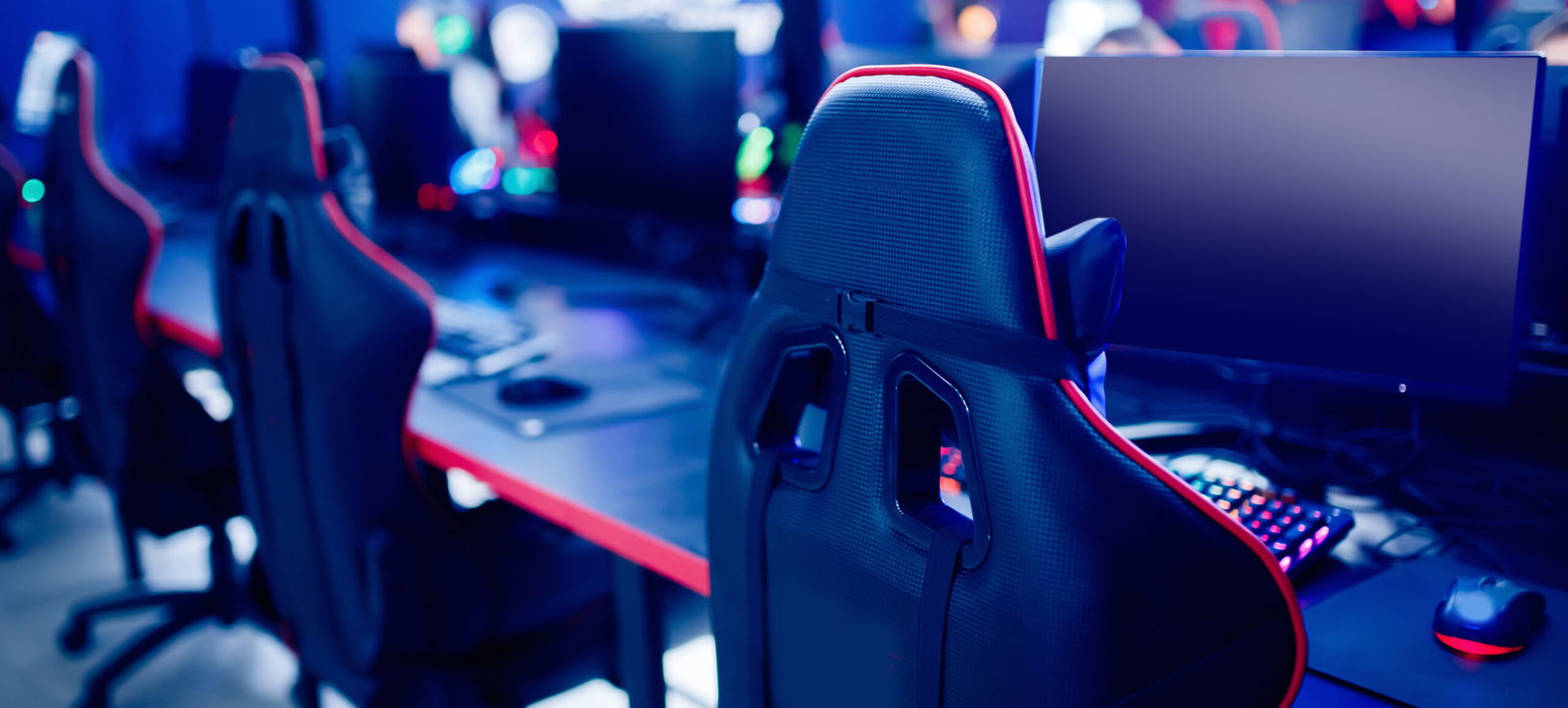
E-sports and gaming environments require high-performance technology infrastructure capable of supporting low-latency gameplay, synchronized displays, and high-density device connectivity. These spaces must deliver consistent network performance, stable power distribution, and seamless visual output across multiple stations.
Unlike traditional instructional or meeting spaces, gaming rooms demand precision. Milliseconds matter. Network congestion, inconsistent switching capacity, or improper electrical planning can directly impact performance and user experience.
Well-designed e-sports environments prioritize speed, stability, and scalability — ensuring competitive-level reliability while supporting spectators, streaming, and future expansion.
Strategic Integration Bridge
Gaming stations, core switching infrastructure, structured cabling, power distribution, display systems, and streaming platforms must operate as a coordinated system. Proper VLAN segmentation, fiber uplinks where required, PoE budgeting, rack cooling, and electrical load planning are critical to maintaining consistent performance under heavy use.
Without engineered infrastructure, e-sports environments often experience latency spikes, power inconsistencies, overheating equipment, and expansion limitations.
APPLICATION OVERVIEW
E-sports and gaming rooms typically support:
- Multiple high-performance gaming stations
- Spectator display systems or video walls
- Live streaming and broadcast integration
- Low-latency network connectivity
- High device density environments
- Flexible tournament configurations
These spaces must balance competitive performance standards with durability and long-term infrastructure scalability.
TYPICAL REQUIREMENTS IN THIS SPACE
- High-capacity switching architecture
- Structured Cat6/Cat6A or fiber backbone cabling
- Dedicated electrical circuits and load planning
- Multi-display routing and spectator screens
- Network segmentation for gaming vs streaming traffic
- Equipment rack organization and cooling strategy
- Low-latency wireless where required
- Scalable infrastructure for additional stations
COMMON TECHNOLOGY NEEDS
High-Performance Network Infrastructure
Core and edge switching systems must support high throughput with minimal latency. Proper VLAN segmentation and QoS configuration ensure gaming traffic remains prioritized.
Structured Cabling & Fiber Backbone
Cleanly installed copper and fiber infrastructure provides stable, high-speed connectivity for every station.
Power & Electrical Distribution
Dedicated circuits and properly balanced panels prevent voltage instability and equipment overload during peak use.
Display & Spectator Systems
Large-format displays or video walls allow spectators to view gameplay in tournament or showcase environments.
Streaming & Broadcast Integration
Integrated capture and streaming infrastructure support live broadcasting and content creation.
Rack & Equipment Management
Organized rack systems with appropriate cooling ensure reliability and maintainability under sustained performance loads.
DESIGN CONSIDERATIONS
E-sports environments must account for:
- Low-latency network design
- Device density and switching capacity
- Electrical load distribution
- Thermal management and airflow
- Cable management and equipment security
- Future expansion for additional stations or competitive events
A properly engineered gaming environment prioritizes performance, reliability, and scalability — ensuring consistent competitive experience and long-term infrastructure stability.

Developing an e-sports lab, gaming lounge, or competitive training facility?
We can evaluate your space and design a high-performance infrastructure platform built for low latency, scalability, and long-term reliability.