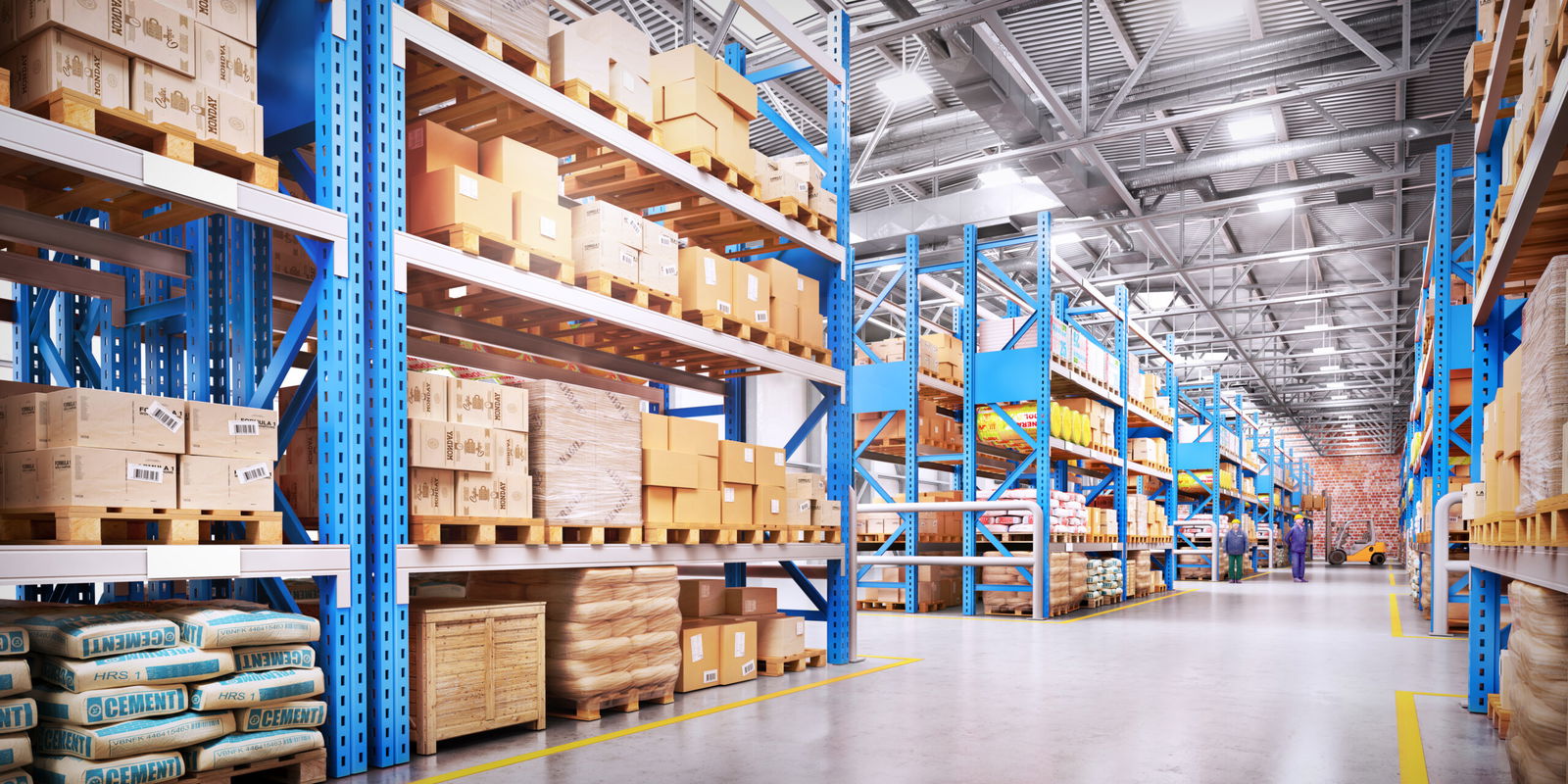
Warehouse and industrial environments require durable, performance-driven infrastructure capable of supporting connectivity, security, and operational systems across large, high-ceiling facilities. These spaces often demand reliable wireless coverage, structured cabling backbones, surveillance integration, and properly planned electrical distribution.
Unlike traditional commercial environments, warehouses introduce elevated mounting heights, environmental exposure, equipment interference, and expansion demands. Systems must be engineered specifically for these conditions — not adapted from standard office deployments.
When properly designed, integrated infrastructure improves operational efficiency, safety, and long-term scalability.
Strategic Integration Bridge
Wireless access points, fiber backbones, surveillance systems, access control platforms, structured cabling, and electrical infrastructure must function as a coordinated system. Switching architecture, VLAN segmentation, PoE capacity planning, rack design, and pathway routing are critical to ensuring performance across large footprints.
Without cohesive design and infrastructure planning, industrial facilities often experience coverage gaps, network bottlenecks, limited expansion capacity, and difficult serviceability.
APPLICATION OVERVIEW
Warehouse and industrial facilities typically support:
- High-density wireless connectivity for scanners and mobile devices
- Fiber backbone distribution between IDFs
- Surveillance coverage for operational visibility
- Access control for secured zones
- Distributed paging or audio communication
- Structured network support for production or logistics systems
These environments must prioritize uptime, durability, and scalability.
TYPICAL REQUIREMENTS IN THIS SPACE
- High-ceiling wireless access point deployment
- Structured Cat6/Cat6A or fiber backbone cabling
- Core and edge switching architecture
- Secure VLAN segmentation
- IP-based surveillance systems
- Credential-based access control
- Dedicated electrical circuits for IDFs and equipment
- Proper cable pathway planning and labeling
COMMON TECHNOLOGY NEEDS
Wireless Infrastructure
Strategically placed access points and directional antennas ensure consistent coverage across racking systems and open floor areas.
Fiber & Structured Cabling
Fiber backbones provide reliable high-speed distribution between network closets and remote areas of the facility.
Surveillance & Access Control
Integrated security systems provide operational oversight and controlled entry to restricted zones.
Network Architecture
Properly sized switching infrastructure and segmented networks support operational systems, administrative functions, and security platforms.
Electrical & Equipment Planning
Dedicated circuits, panel capacity planning, and organized rack installations ensure stable power and long-term serviceability.
DESIGN CONSIDERATIONS
Warehouse and industrial system design must account for:
- Ceiling height and mounting strategy
- Racking layouts and obstruction planning
- Environmental conditions (dust, temperature variation)
- Device density and traffic patterns
- Expansion capability for additional production lines
- Long-term service access and documentation
A properly engineered industrial environment prioritizes reliability, structured infrastructure, and operational scalability — ensuring systems perform consistently under demanding conditions.


Our Case Studies
-

Enterprise Network Infrastructure & Access Control Deployment
Large-scale structured cabling, fiber backbone, and integrated access control systems designed for performance, security, and scalability.
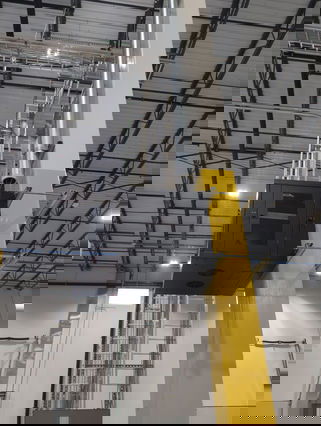
Techkinect deployed a large-scale network and access control infrastructure for a Mattr facility, including 250+ Cat6 drops, fiber backbone, cameras, access points, and full access control system installation. The project required coordination with multiple contractors and involved correcting incomplete prior work. The result is a robust, scalable foundation supporting network performance, security systems, and future expansion across the facility.
Planning connectivity upgrades or infrastructure improvements for your warehouse or industrial facility?
We can assess your environment and develop a structured, scalable technology plan aligned with operational efficiency and long-term growth.