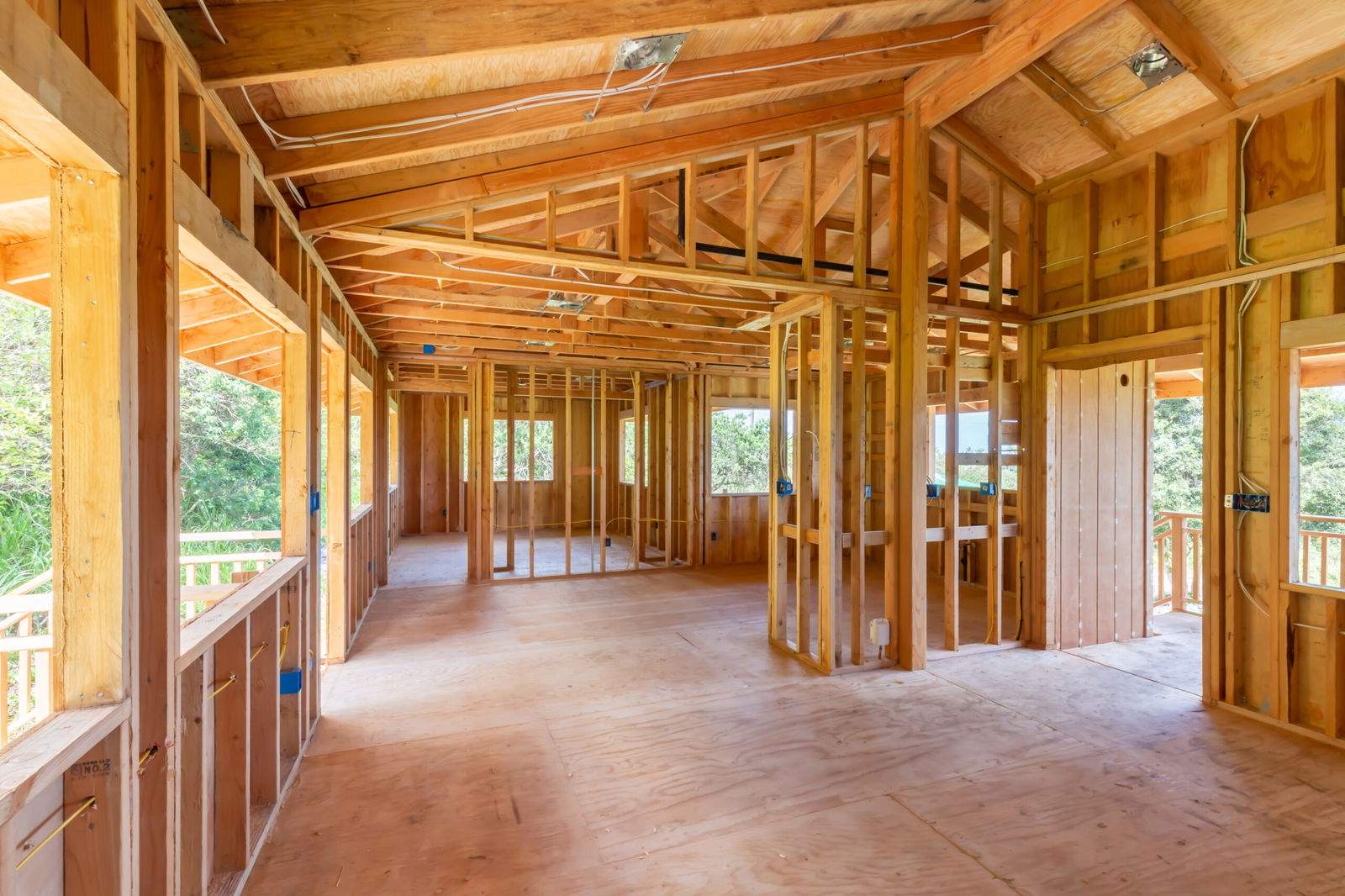
Electrical Infrastructure for New Construction establishes the power foundation that supports all building systems — including lighting, network equipment, AV systems, security platforms, and operational technology.
Properly planned electrical systems are not simply about panel capacity and code compliance. They must anticipate future technology demands, coordinate with low-voltage systems, and align with long-term facility growth.
When engineered early in the construction process, electrical infrastructure reduces change orders, protects system performance, and improves long-term scalability.
Operational Impact
Well-designed electrical infrastructure:
- Prevents overloaded circuits and panel limitations
- Supports dedicated power for AV, IT, and security systems
- Reduces coordination conflicts between trades
- Simplifies future technology upgrades
- Protects uptime for mission-critical systems
- Improves long-term serviceability
When electrical and technology systems are designed separately, facilities often experience capacity constraints, shared circuit conflicts, and costly post-construction modifications.
Core Components
Electrical infrastructure planning typically includes:
- Service entrance coordination
- Panel sizing and load calculations
- Dedicated branch circuits for technology systems
- Conduit and pathway planning
- Equipment room and IDF power coordination
- Emergency power and UPS planning
- Lighting circuit coordination
- Grounding and bonding systems
Electrical planning must account for both present loads and future expansion.
Infrastructure Requirements
Reliable electrical infrastructure depends on:
- Accurate load analysis and future capacity planning
- Dedicated circuits for AV racks, network closets, and security panels
- Proper separation of high-voltage and low-voltage pathways
- Conduit sizing with expansion capacity
- Coordination with structured cabling layouts
- Clean panel labeling and documentation
- Compliance with NEC and local code requirements
Technology systems perform best when electrical planning is integrated into the overall infrastructure strategy.
Scalability & Integration
Electrical infrastructure directly supports:
- Network infrastructure and IDFs
- AV-over-IP systems
- Distributed audio platforms
- Video surveillance systems
- Access control panels
- Lighting control and automation systems
- Campus connectivity backbones
Scalable design ensures additional equipment, expanded IDFs, or future building additions can be supported without major electrical redesign.
Ideal Environments
Electrical infrastructure for new construction is critical in:
- Municipal facilities
- Educational campuses
- Industrial and warehouse builds
- Corporate offices
- Hospitality properties
- Houses of worship
- Multi-building developments
Our Case Studies
-

Enterprise Network Infrastructure & Access Control Deployment
Large-scale structured cabling, fiber backbone, and integrated access control systems designed for performance, security, and scalability.
Techkinect deployed a large-scale network and access control infrastructure for a Mattr facility, including 250+ Cat6 drops, fiber backbone, cameras, access points, and full access control system installation. The project required coordination with multiple contractors and involved correcting incomplete prior work. The result is a robust, scalable foundation supporting network performance, security systems, and future expansion across the facility.
Planning a new construction project or major facility build-out?
We can coordinate electrical infrastructure alongside technology systems to ensure your building is designed for long-term performance, scalability, and operational reliability.