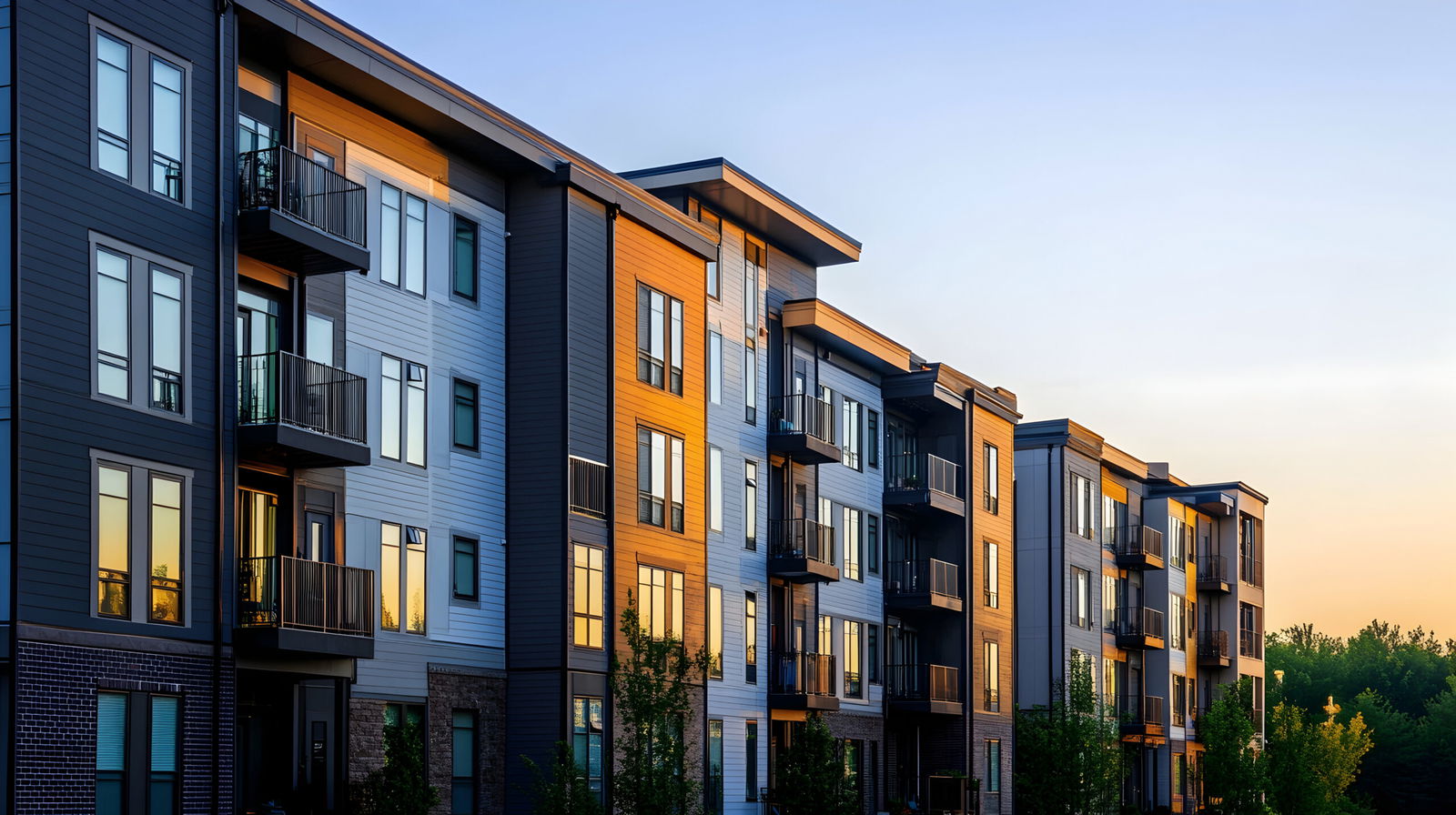
Multi-Tenant Network Infrastructure solutions provide secure, scalable connectivity across buildings that serve multiple tenants while maintaining proper traffic isolation and performance control.
Rather than deploying independent, fragmented networks within each suite, a properly engineered multi-tenant infrastructure establishes a centralized backbone with segmented tenant environments. This approach improves manageability, reduces redundant cabling, and prepares properties for future leasing flexibility.
When designed correctly, multi-tenant network systems balance shared infrastructure efficiency with strict tenant-level security and bandwidth control.
Operational Impact
Well-designed multi-tenant network environments:
- Maintain secure traffic isolation between tenants
- Prevent cross-tenant visibility or interference
- Allow centralized backbone management
- Support scalable bandwidth allocation
- Simplify onboarding of new tenants
- Reduce redundant infrastructure build-outs
- Improve overall building connectivity performance
Improper segmentation or undersized backbone architecture can create security vulnerabilities, congestion, and difficult troubleshooting.
Core Components
Multi-tenant network solutions typically include:
- Centralized fiber backbone infrastructure
- Managed Layer 2/Layer 3 switching architecture
- VLAN and subnet segmentation
- Tenant-specific IDF terminations
- Secure routing and firewall coordination
- Structured cabling to suites
- Rack-mounted distribution equipment
- Optional bandwidth monitoring and reporting tools
System architecture is designed around occupancy turnover, bandwidth demands, and future tenant growth.
Infrastructure Requirements
Reliable multi-tenant network infrastructure depends on:
- Proper fiber and copper backbone planning
- Core switching sized for aggregate bandwidth
- VLAN segmentation and routing configuration
- Secure firewall and gateway coordination
- Dedicated electrical circuits for MDF/IDF environments
- Clean rack layout and documentation
- Spare conduit capacity for future suites
Backbone systems must be engineered for flexibility and long-term property lifecycle.
Scalability & Integration
Multi-tenant network platforms integrate with:
- Campus and multi-building connectivity systems
- Video surveillance infrastructure
- Access control platforms
- AV-over-IP distribution systems
- Distributed audio and paging systems
- Building management systems
Scalable design allows new tenants to be provisioned quickly without reworking the core network architecture.
Ideal Environments
Multi-tenant network infrastructure is commonly deployed in:
- Commercial office buildings
- Mixed-use developments
- Retail centers
- Industrial flex spaces
- Healthcare office complexes
- Hospitality properties
- Multi-building business parks
Developing a multi-tenant property or upgrading aging shared infrastructure?
We can evaluate your building layout and design a secure, scalable network backbone aligned with tenant flexibility and long-term property performance.