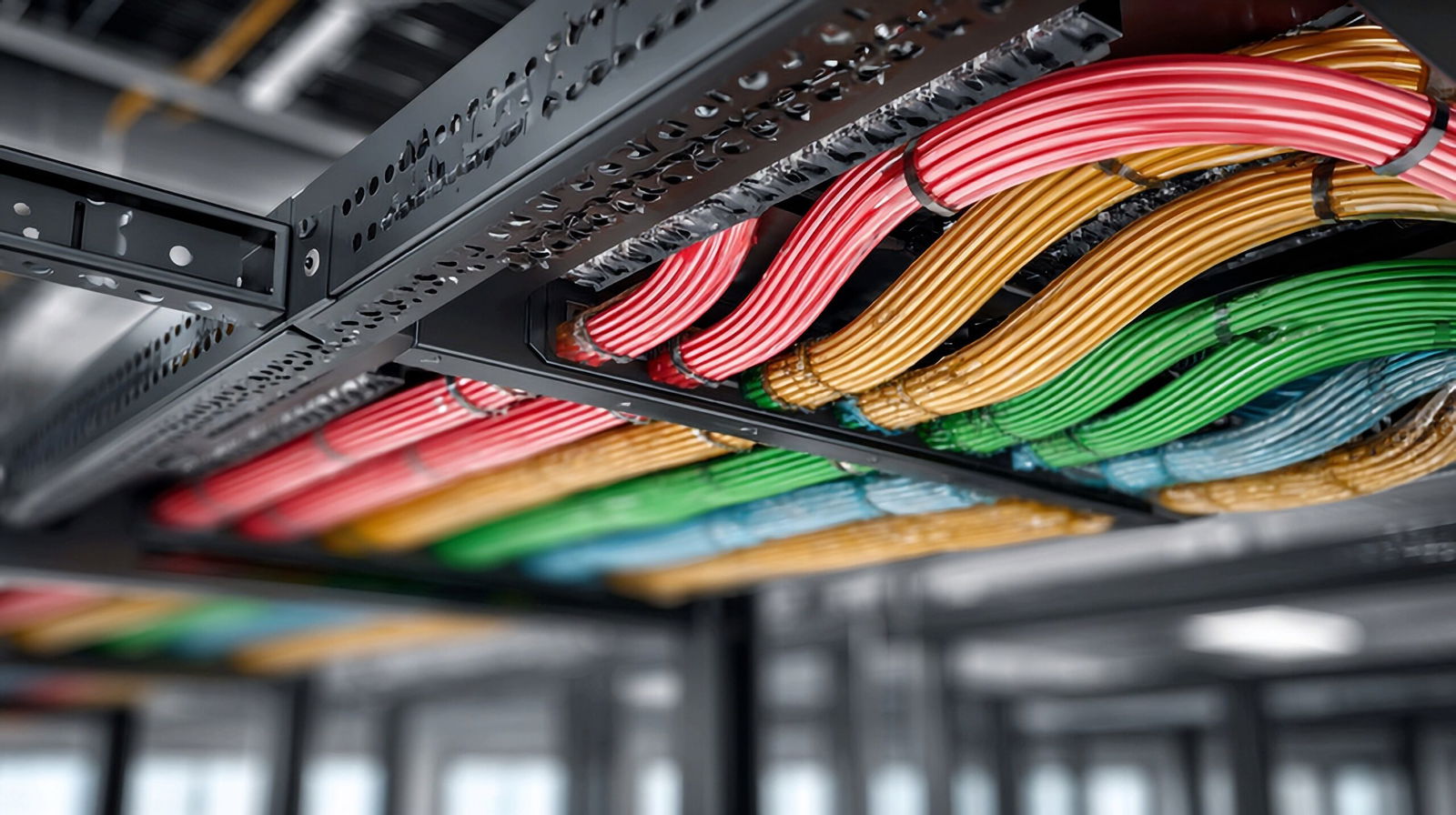
Structured Cabling & Pathway Systems provide the physical foundation that supports network infrastructure, AV platforms, security systems, access control, and building automation technologies. Properly designed cabling architecture ensures consistent performance, simplified troubleshooting, and long-term scalability.
Rather than installing point-to-point wiring for isolated systems, structured cabling creates an organized backbone that supports current demands while preparing for future expansion.
When engineered correctly, structured cabling reduces congestion, improves serviceability, and protects long-term infrastructure investments.
Operational Impact
Well-designed structured cabling systems:
- Improve network reliability and performance
- Simplify moves, adds, and changes
- Reduce troubleshooting time
- Prevent cable congestion and signal degradation
- Support high-bandwidth applications such as AV-over-IP
- Enable clean and organized IDF/MDF environments
Poorly planned cabling often results in disorganized racks, overcrowded pathways, inconsistent labeling, and limited expansion capacity.
Core Components
Structured cabling systems typically include:
- Category-rated copper cabling (Cat6, Cat6A, etc.)
- Fiber optic backbone infrastructure
- Patch panels and termination hardware
- Equipment rack organization
- Cable management systems
- Labeling and documentation standards
- Conduit, tray, or J-hook pathway support
- Certified testing and verification
System selection is based on bandwidth requirements, device density, and long-term growth projections.
Infrastructure Requirements
Reliable structured cabling depends on:
- Proper pathway planning and conduit sizing
- Separation of high-voltage and low-voltage systems
- Bend radius and distance compliance
- Certified cable testing and documentation
- Rack airflow and cable management coordination
- Integration with fiber backbone systems
- Coordination with electrical and building design
Infrastructure discipline ensures long-term maintainability and consistent performance.
Scalability & Integration
Structured cabling directly supports:
- Network upgrades and modernization
- AV-over-IP platforms
- Video surveillance systems
- Access control and intercom systems
- Wireless access point deployments
- Campus and multi-building connectivity
- Room scheduling and automation systems
Scalable design allows additional endpoints, IDFs, or buildings to be integrated without major rework.
Ideal Environments
Structured cabling and pathway systems are commonly deployed in:
- Municipal facilities
- Educational campuses
- Industrial and warehouse environments
- Corporate offices
- Hospitality properties
- Healthcare environments
- Multi-tenant commercial buildings
Our Case Studies
-

Enterprise Network Infrastructure & Access Control Deployment
Large-scale structured cabling, fiber backbone, and integrated access control systems designed for performance, security, and scalability.
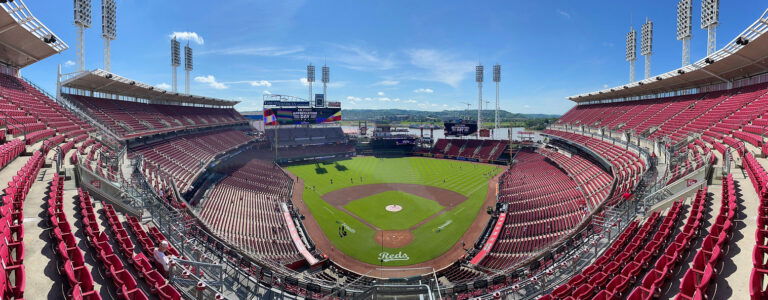
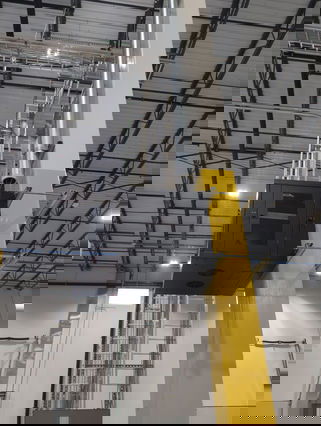
Techkinect deployed a large-scale network and access control infrastructure for a Mattr facility, including 250+ Cat6 drops, fiber backbone, cameras, access points, and full access control system installation. The project required coordination with multiple contractors and involved correcting incomplete prior work. The result is a robust, scalable foundation supporting network performance, security systems, and future expansion across the facility.
-

Caucus Room AV & Recording System
From Complexity to Clarity: A Fully Integrated AV & Recording System for Municipal Operations
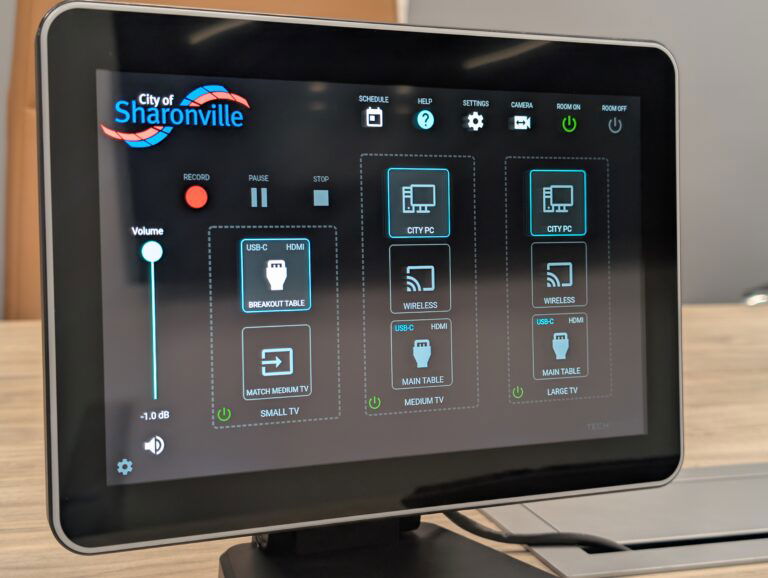
Techkinect partnered with the City of Sharonville to deliver a fully integrated AV and recording system for their caucus room. Starting from a blank space, we implemented a design-build solution combining audio, video, control, and recording into one streamlined system. A custom touchscreen interface provides simple one-touch control, while integrated recording ensures meetings are consistently captured. The result is a reliable, easy-to-use environment that improves meeting performance and day-to-day usability.


Planning a new construction project or upgrading aging cabling infrastructure?
We can evaluate your facility and design a structured, standards-based cabling system aligned with long-term performance and expansion goals.