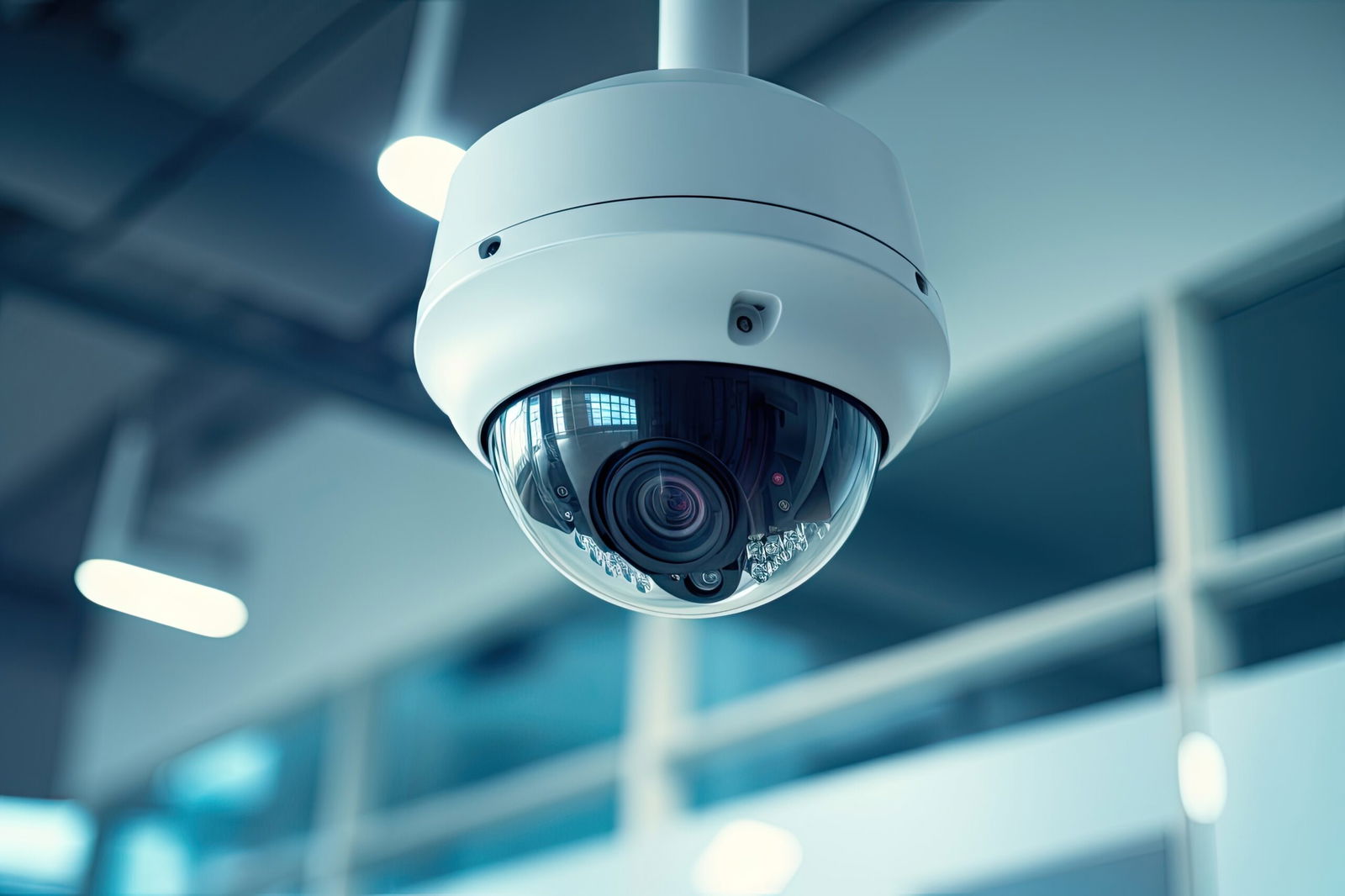
Video Surveillance Systems provide real-time monitoring, recording, and incident documentation across facilities and campuses. Modern IP-based surveillance platforms extend beyond standalone cameras — integrating network infrastructure, centralized storage, secure access control, and remote management.
Effective surveillance design requires coordinated backbone planning, bandwidth management, secure segmentation, and long-term storage strategy.
When properly engineered, video surveillance systems enhance security visibility while remaining scalable, manageable, and infrastructure-aligned.
Operational Impact
Well-designed surveillance systems:
- Improve situational awareness across facilities
- Support incident documentation and investigation
- Deter unauthorized activity
- Enable remote viewing and management
- Provide centralized multi-site monitoring
- Integrate with access control and alert systems
Improperly designed systems can create bandwidth congestion, storage limitations, poor image clarity, and security vulnerabilities.
Core Components
Video surveillance systems typically include:
- IP-based fixed and PTZ cameras
- Network video recorders (NVRs) or server-based storage
- Centralized video management software (VMS)
- PoE-enabled switching infrastructure
- Fiber or copper backbone connectivity
- Secure remote access configuration
- Video retention and archival planning
System architecture is designed based on coverage needs, retention policies, and operational risk profile.
Infrastructure Requirements
Reliable surveillance systems depend on:
- Adequate network bandwidth and PoE capacity
- VLAN segmentation for camera traffic
- Core switching architecture sized for video throughput
- Structured cabling and pathway planning
- Rack-mounted storage systems with cooling coordination
- Dedicated electrical circuits and surge protection
- UPS and backup power planning
Infrastructure must support continuous recording and long-term data retention.
Scalability & Integration
Video surveillance platforms integrate directly with:
- Secure Facility Technology Solutions
- Access Control Systems
- Intercom & Secure Entry Communications
- Campus & Multi-Building Connectivity
- Network Monitoring & Diagnostics
- Power Quality & Surge Protection Systems
- Emergency Communication & Alert Systems
Scalable architecture allows additional cameras, buildings, or sites to be integrated without replacing the core management platform.
Ideal Environments
Video surveillance systems are commonly deployed in:
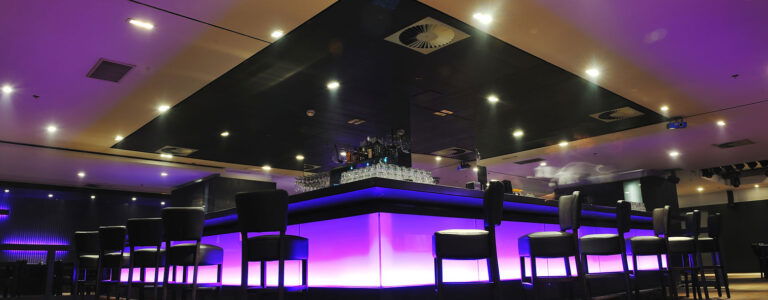
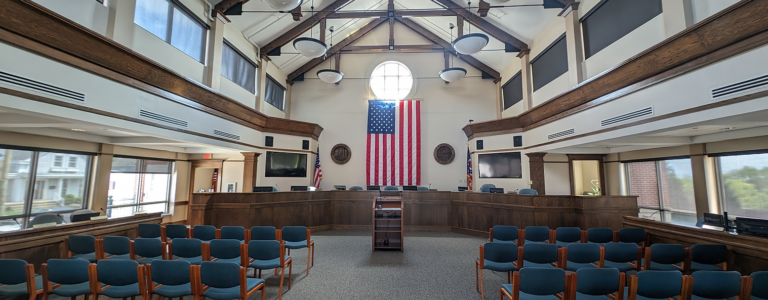
- Municipal facilities
- Educational campuses
- Industrial and warehouse environments
- Corporate offices
- Hospitality properties
- Healthcare facilities
- Multi-tenant commercial properties
- Multi-building campuses


Our Case Studies
-

Enterprise Network Infrastructure & Access Control Deployment
Large-scale structured cabling, fiber backbone, and integrated access control systems designed for performance, security, and scalability.
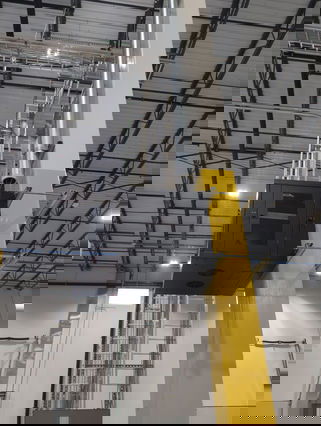
Techkinect deployed a large-scale network and access control infrastructure for a Mattr facility, including 250+ Cat6 drops, fiber backbone, cameras, access points, and full access control system installation. The project required coordination with multiple contractors and involved correcting incomplete prior work. The result is a robust, scalable foundation supporting network performance, security systems, and future expansion across the facility.




Planning a new surveillance deployment or upgrading aging camera infrastructure?
We can evaluate your facility and design a scalable, secure video surveillance system aligned with infrastructure performance and long-term operational goals.